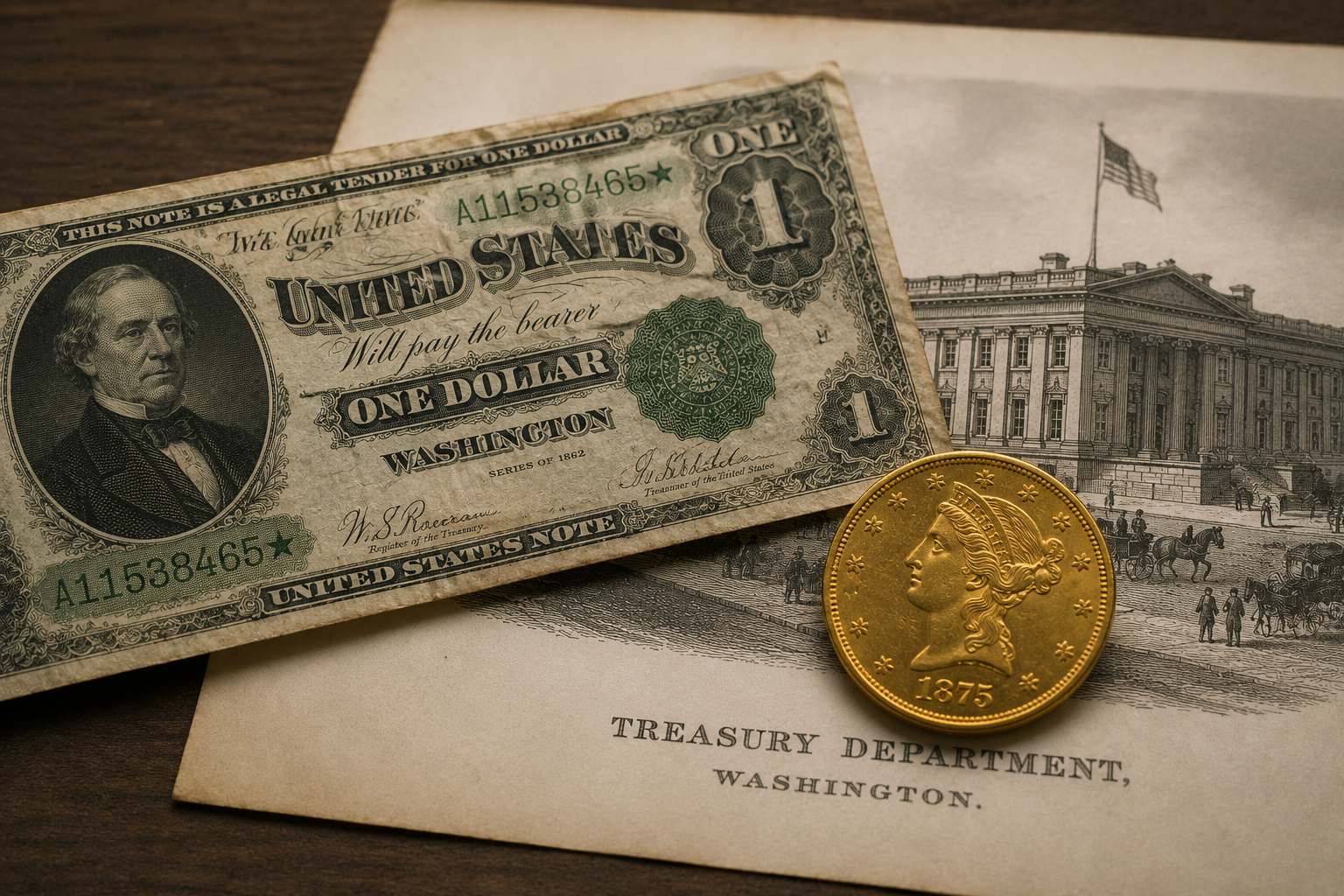
What Was the Specie Payment Resumption Act of 1875?
During the Civil War, the U.S. government ran out of gold and started printing paper money — greenbacks — that couldn’t be traded in

During the Civil War, the U.S. government ran out of gold and started printing paper money — greenbacks — that couldn’t be traded in
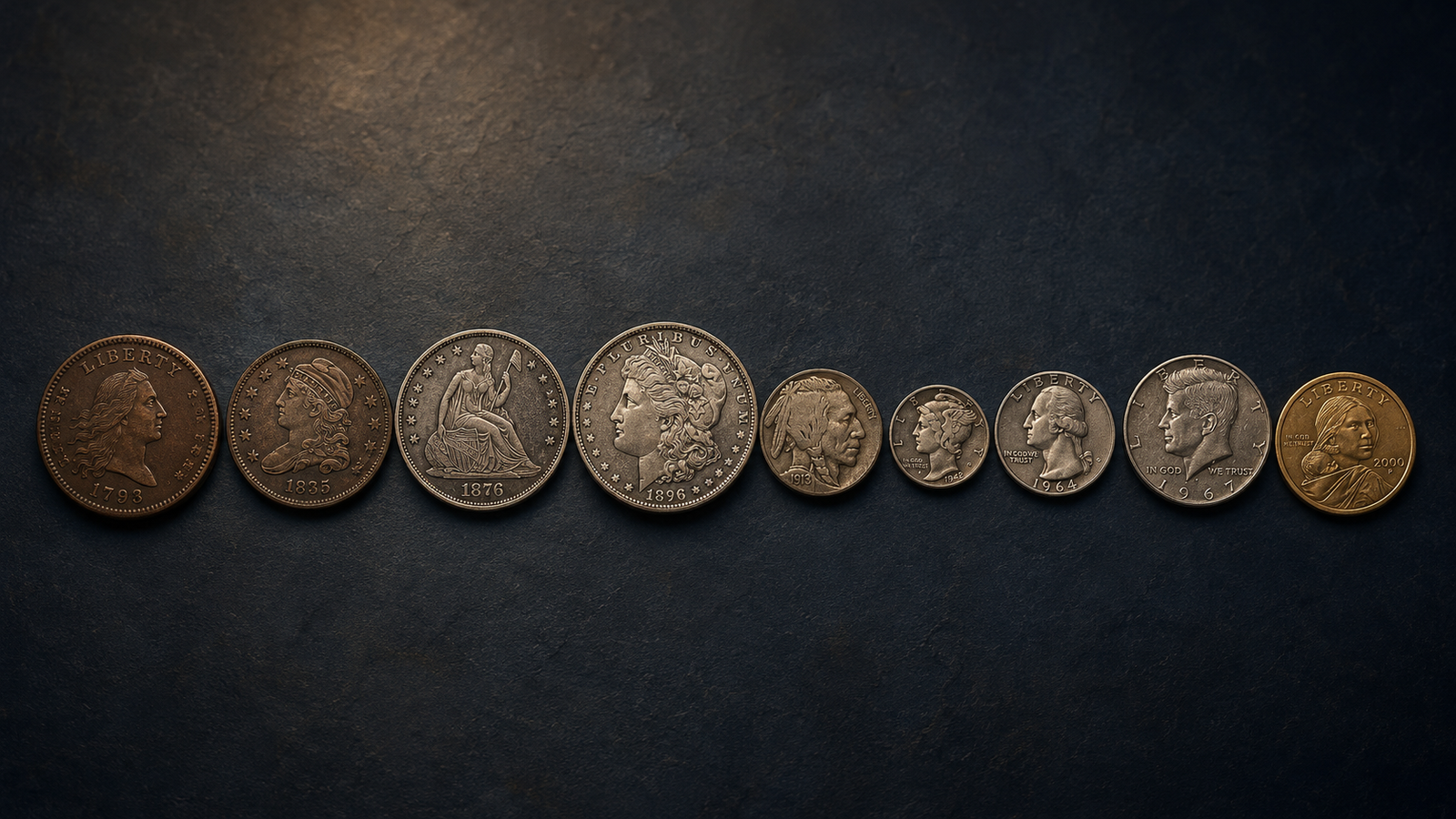
The United States didn’t have a national currency until 1792. Before that, colonists and early Americans made do with Spanish milled dollars, British coin,
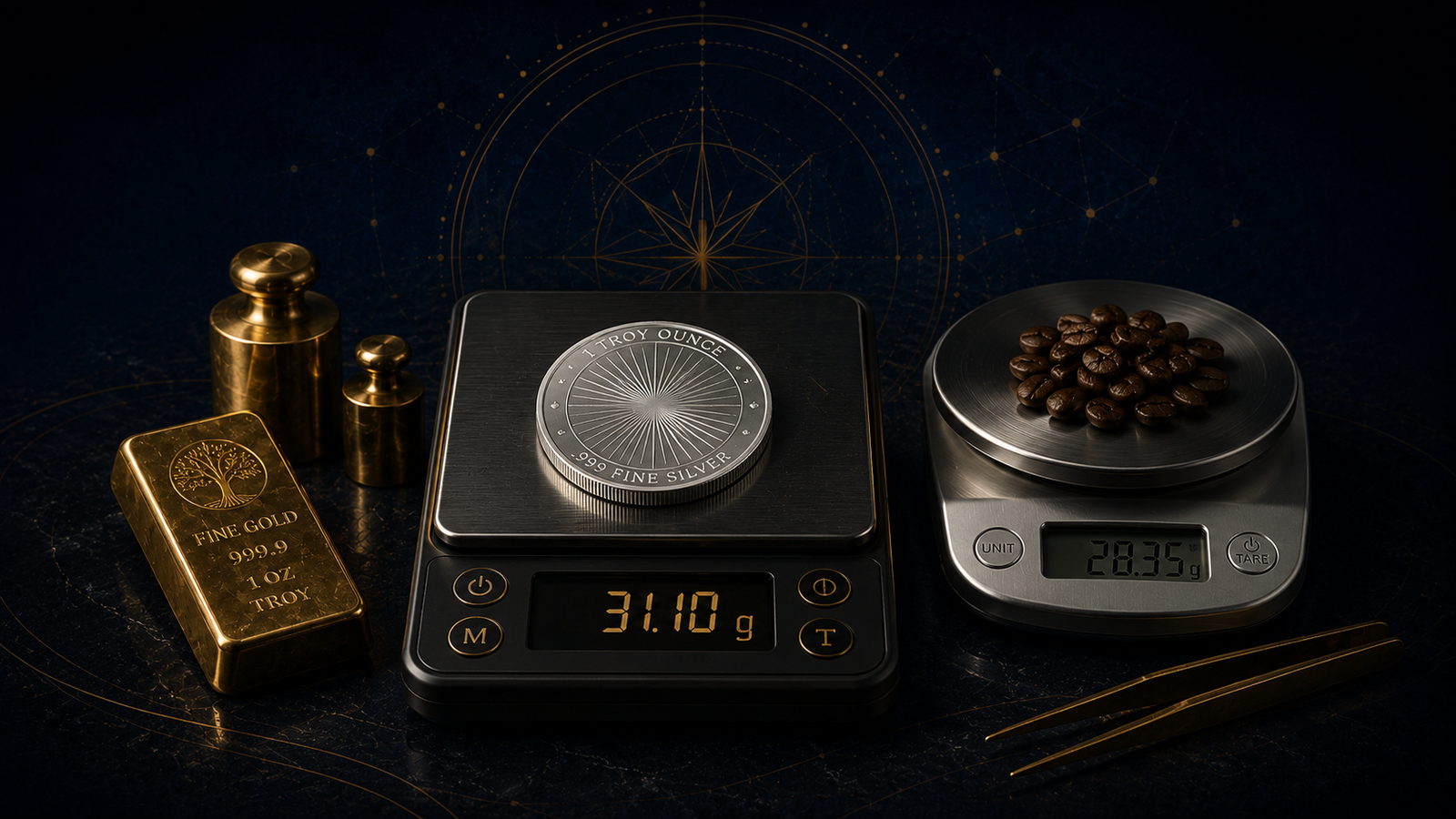
A troy ounce is the unit of weight precious metals are sold and priced in — 31.1035 grams, or about 9.7% heavier than the
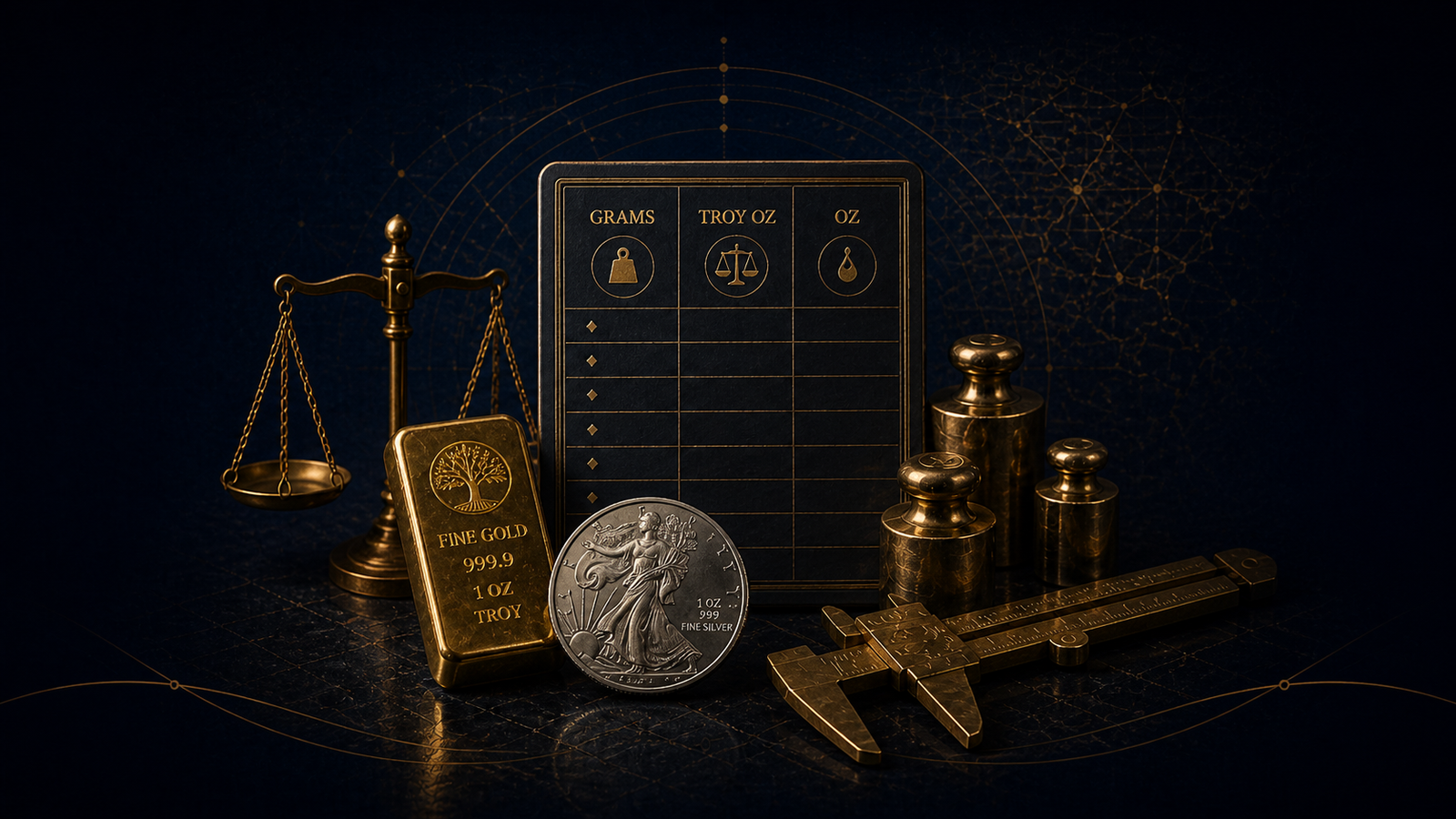
How many grams in an ounce? The honest answer is: it depends on the ounce. Precious metals don’t use the kitchen-scale ounce (28.3495 grams).
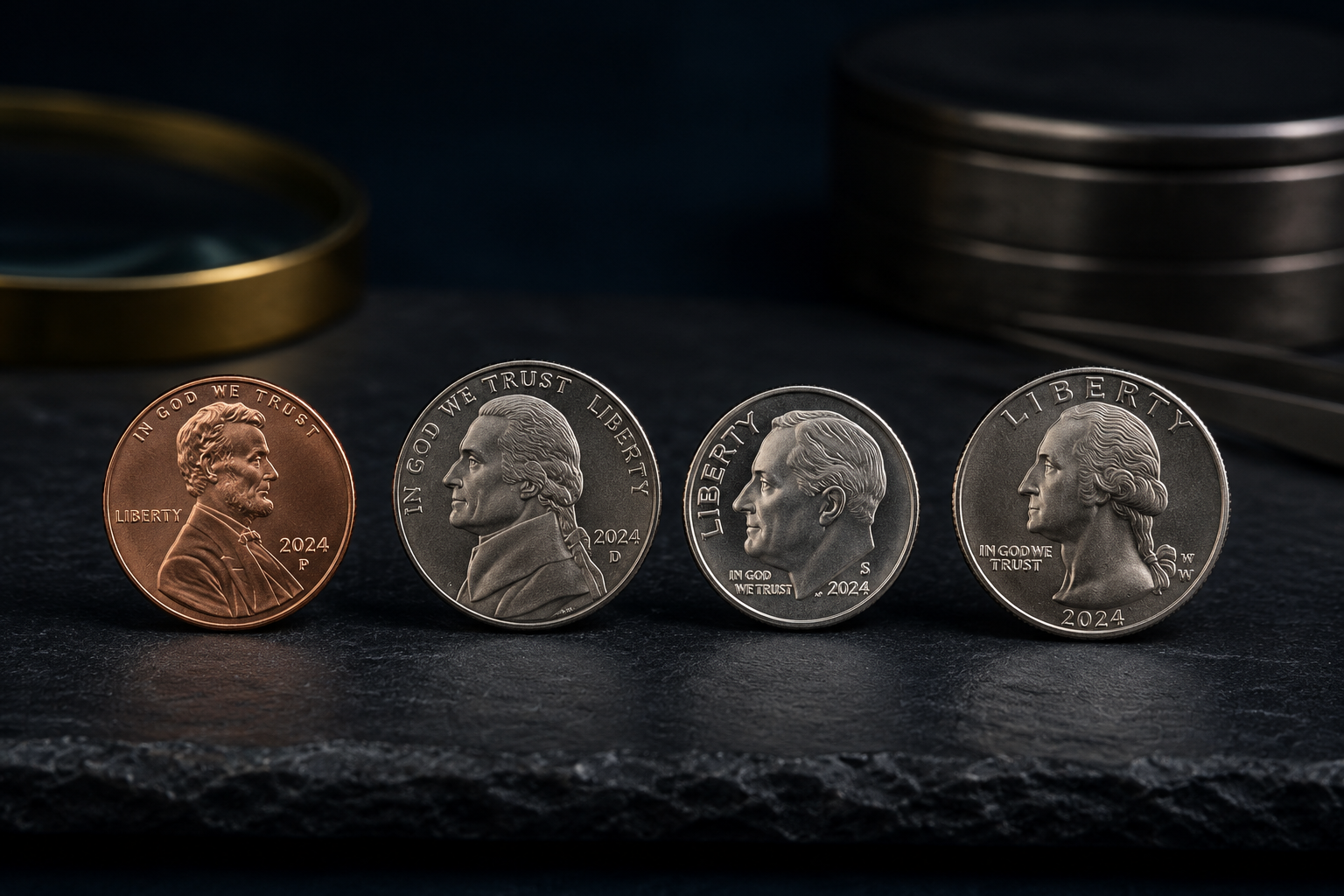
The United States Mint is the federal agency responsible for every coin that passes through American hands. It runs four active production facilities —
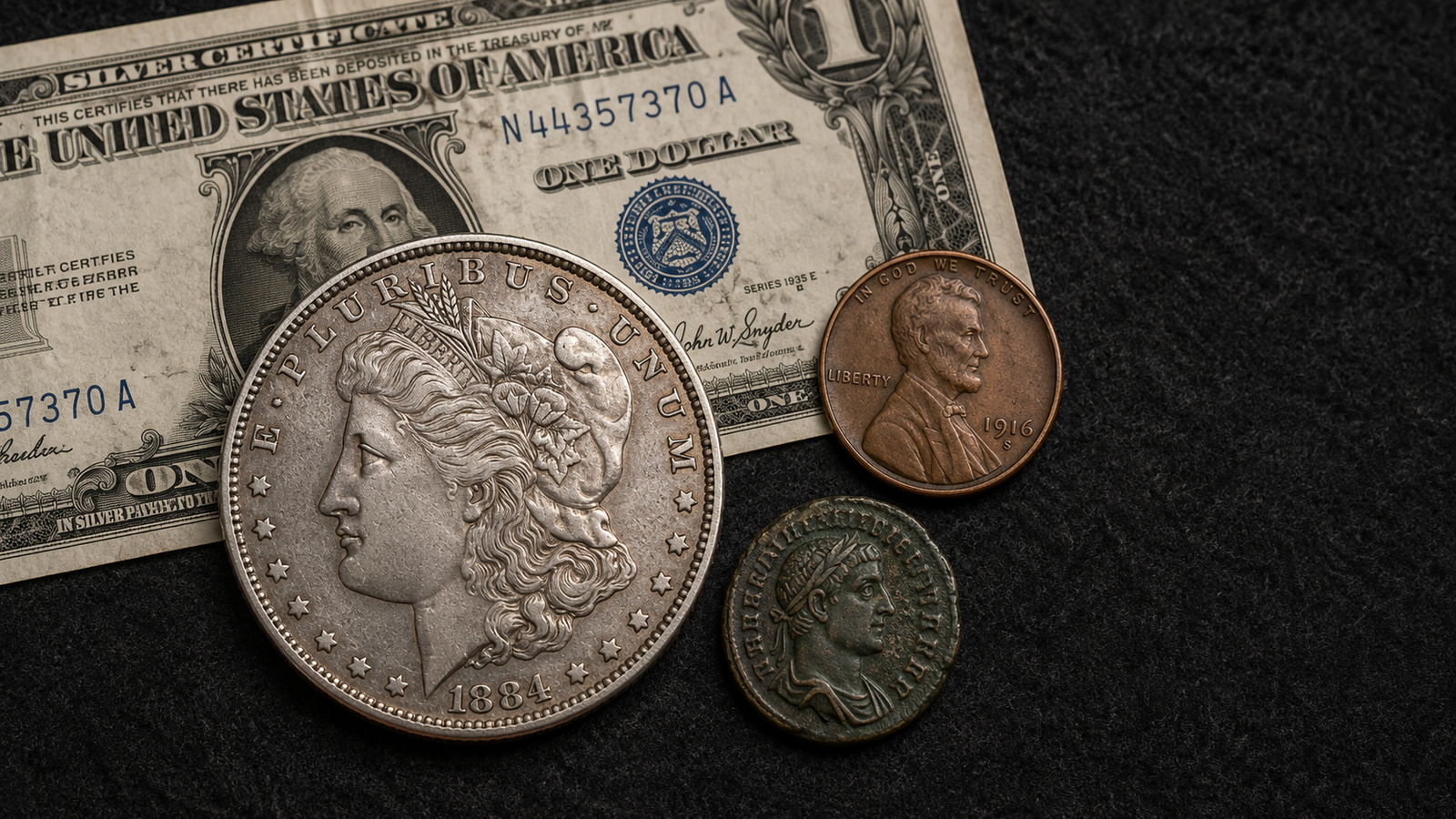
A numismatist is someone who studies and collects coins, paper money, tokens, and related objects. The word comes from the Latin numisma, meaning “coin.”
